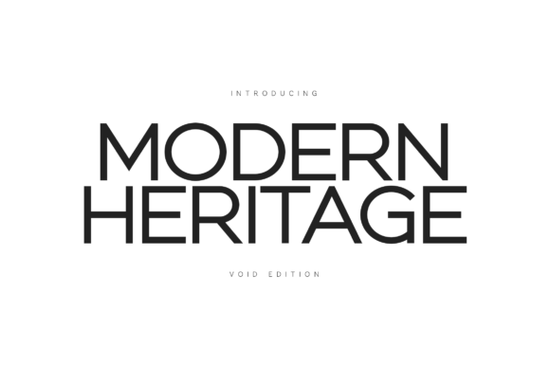
If you're looking for a clean, high-contrast sans-serif that works as well on a business card as it does in a digital interface, the Modern Heritage Font (Void Edition) is worth your attention. It’s not just another minimalist font it’s built with intention: generous x-height, monolinear strokes, and deliberate negative space that makes text feel open and easy to read, even at small sizes or in tight layouts. Designers working with architectural firms, interior studios, or luxury fashion brands often reach for this one when they need clarity without sacrificing character.
Who is Modern Heritage Font actually good for?
This isn’t a “one-size-fits-all” font and that’s its strength. It shines where precision and tone matter: think brand identities for boutique design studios, packaging for small-batch skincare lines, or signage for modern co-working spaces. Because of its Swiss-inspired proportions and restrained contrast, it pairs naturally with photography-heavy layouts or minimal icon systems. It’s also a solid choice for print-on-demand sellers who want their apparel or home decor labels to look intentional and upscale not generic.
If you’ve used fonts like Sweet Home Font for warm, inviting projects or Mansory Font for structured, grounded typography, you’ll notice Modern Heritage sits somewhere between those two: warmer than Mansory but more neutral than Sweet Home. It’s less playful than Brisca Font, and more spatially aware which makes it especially useful when you’re balancing text with lots of white space or geometric elements.
How does it perform across real use cases?
We tested Modern Heritage in several everyday scenarios:
- Web headers & UI text: Renders cleanly at 16–24px, even on lower-DPI screens. No blurriness or stroke distortion.
- Print materials: Works well on uncoated paper the monolinear weight holds up without filling in.
- SVG exports: Paths stay crisp when scaled for laser cutting or embroidery digitizing.
- Multi-language support: Includes Latin Extended-A, so it covers most Western European languages out of the box.
It doesn’t include stylistic alternates or variable axes so if you need optical sizing or weight shifts within a single file, you’ll want to pair it with a complementary font (like a soft serif for body copy). But for focused branding work where consistency matters more than variety, that simplicity is an advantage not a limitation.
What makes the “Void Edition” different?
The name isn’t just poetic. This version leans into negative space more deliberately than standard high-contrast sans-serifs. Letterforms like A, e, and S have slightly expanded counters; spacing is looser by default. That means less manual kerning for headlines, and better rhythm in all-caps settings. It’s subtle but noticeable when you compare side-by-side with older Swiss-style fonts that feel cramped or dated.
You’ll find similar intent in other refined sans-serifs like Modern Heritage Font, Sweet Home Font, and Mansory Font but each solves a different problem. Modern Heritage is the one you reach for when “breathability” is part of the brief.
Where to use it and where to pause
Good fits:
- Architectural firm letterheads and proposal decks
- Interior design mood boards and spec sheets
- Luxury product tags, hangtags, or packaging copy
- Minimalist app onboarding screens or dashboard headers
Less ideal for:
- Long-form body text (no dedicated text weight or italics)
- Projects needing strong personality or whimsy (try Brisca instead)
- Brands built around hand-drawn or organic textures
One practical tip: Start with uppercase headlines first the Void Edition’s spacing and proportion really sing there. Then test lowercase in short phrases before committing to full sentences. And if you’re pairing it with another font, try something with gentle curves and low contrast (like a light-weight humanist sans) to balance its precision.
Before downloading, check the Modern Heritage Font page for the latest language coverage, file formats (OTF, WOFF, WOFF2), and commercial license details especially if you’re using it in client work or physical products.
Quick checklist before you use it:
- Confirm your project needs clarity and openness over warmth or playfulness
- Test it at your smallest intended size especially on screen
- Check if your layout benefits from extra letter-spacing (it often does)
- Verify licensing covers your use case including resale or SaaS integration if relevant
- Compare it side-by-side with Mansory Font and Brisca Font to make sure it’s the right tonal match
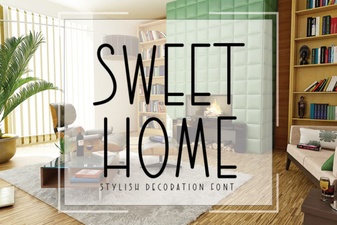 Sweet Home Font: Designs for Cozy Typography
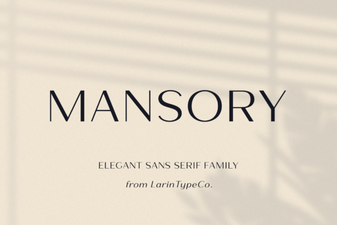 Masterful Project Ideas Using Mansory Font
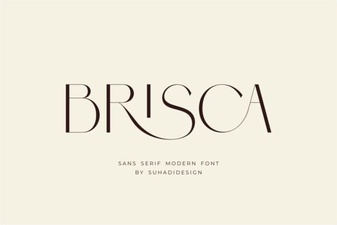 Discover Brisca Font: Design Versatility & Creative Inspiration
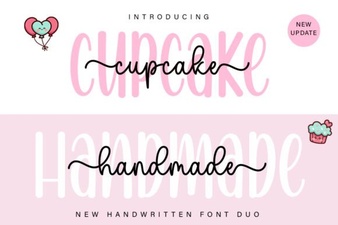 Cupcake Handmade Duo Font for Sweet Project Designs
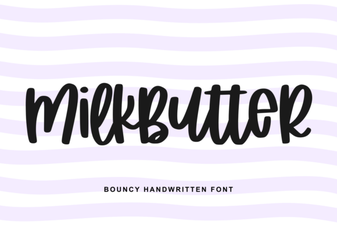 Milkbutter Font for Creative Typography Projects
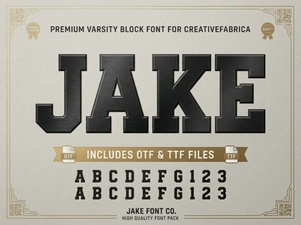 Download Jake Font for Creative Design Projects