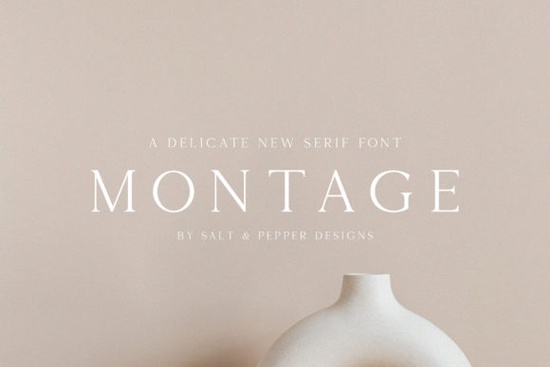
If you're looking for a refined, thin serif font that brings quiet elegance to invitations, boutique packaging, or minimalist branding Montage Font fits naturally into those projects. It’s not overly ornate or dramatic, but it carries presence: clean letterforms, subtle contrast, and an authentic serif rhythm that reads as both timeless and intentional. Designers and small business owners often choose Montage when they want typography that feels considered not flashy, but quietly confident.
When does Montage work best?
Because of its light weight and classic serif structure, Montage shines in contexts where readability and tone matter more than visual volume. Think wedding stationery with soft paper textures, artisanal product labels (like small-batch soap or coffee), or delicate embroidery digitizing where fine lines translate well. It also pairs beautifully with slightly bolder sans-serifs or handwritten accents giving layouts breathing room without sacrificing sophistication.
It’s not ideal for body text at small sizes on screen, nor for high-contrast signage where legibility is critical at a distance. But within its sweet spot headlines, short quotes, logos, and printed keepsakes it adds a luxury spark, just as the description says without feeling forced or fussy.
How does it compare to other serif fonts on Creative Fabrica?
Like Desevon, Montage leans into traditional serif proportions, but Desevon has a bit more stroke variation and warmth making it great for vintage-inspired branding. Silky Dusk offers similar thinness but with a gentler, almost calligraphic flow; it’s softer and more fluid, while Montage stays crisp and architectural.
If you’ve used Retro Typewriter, you’ll notice how different Montage feels no monoline rigidity or mechanical quirks here. Retro Typewriter leans into nostalgia and texture; Montage leans into clarity and restraint. They serve very different moods, even though both sit under the serif umbrella.
What file formats and features does it include?
Montage comes with standard OpenType (.OTF) and TrueType (.TTF) files, plus web-ready WOFF versions if you’re embedding it into a small business website or Shopify store. It supports Latin-based languages and includes basic ligatures and alternate characters enough to add subtle polish without needing deep font software knowledge. No extended language support (like Cyrillic or Vietnamese), so it’s best suited for English-first or Western European projects.
You’ll also get a simple PDF guide showing recommended sizing, pairing suggestions, and a few real-world layout examples helpful if you’re new to working with thin serifs or want to avoid common pitfalls like over-tracking or poor line spacing.
Who uses Montage and why?
- Print-on-demand sellers use it for premium greeting cards, art prints, and framed quotes especially when targeting customers who appreciate understated design.
- Crafters choose it for iron-on transfers, vinyl cutting (with careful weeding), and sublimation mugs where fine detail holds up well on smooth surfaces.
- Small service businesses like yoga studios, florists, or independent therapists use Montage in their logo lockups or email headers to reinforce calm, trustworthy, and human-centered values.
- Designers building brand kits reach for it when clients want “elegant but not stuffy” typography often paired with neutral color palettes and generous white space.
One thing users consistently mention: Montage doesn’t compete with imagery or layout. It supports the message instead of dominating it. That makes it especially useful when you’re designing for clients who value subtlety or when your own creative energy is better spent elsewhere.
Where can you see Montage in action?
For real usage examples including mockups across print, digital, and craft applications you can explore how others have applied it on Montage Font. You’ll find user-submitted projects ranging from wedding menus to Instagram story templates, all showing how the font behaves in context not just as isolated letters.
Other fonts worth browsing alongside it include Desevon Font, Silky Dusk Font, and Retro Typewriter Font. Each brings something distinct to the serif category so comparing them side by side helps clarify which voice matches your current project.
Before downloading Montage, try it in a real layout first: paste a headline into a mockup, adjust tracking to +20–+40, and set line height to at least 1.6x the font size. That small setup step prevents the most common issue thin serifs collapsing visually when too tightly spaced.
Get Started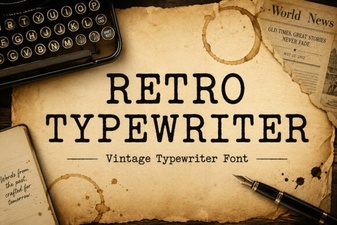 Give Your Designs a Vintage Touch with Retro Typewriter Fonts
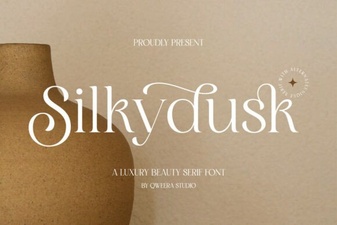 Silkydusk Font: Designing Elegant Typographic Projects
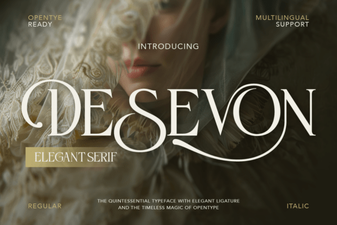 Desevon Font: Download & Creative Design Ideas
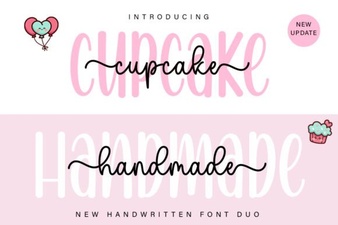 Cupcake Handmade Duo Font for Sweet Project Designs
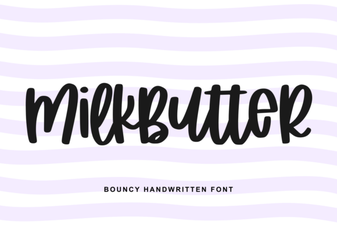 Milkbutter Font for Creative Typography Projects
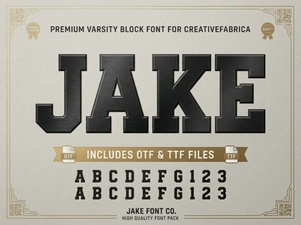 Download Jake Font for Creative Design Projects